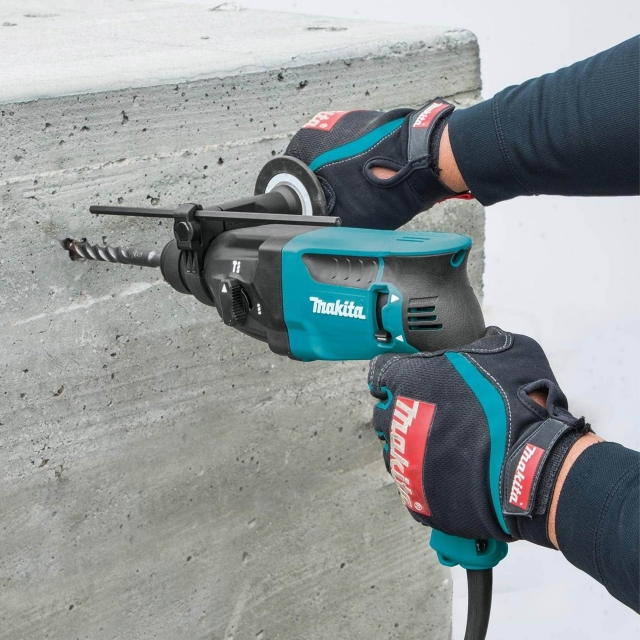
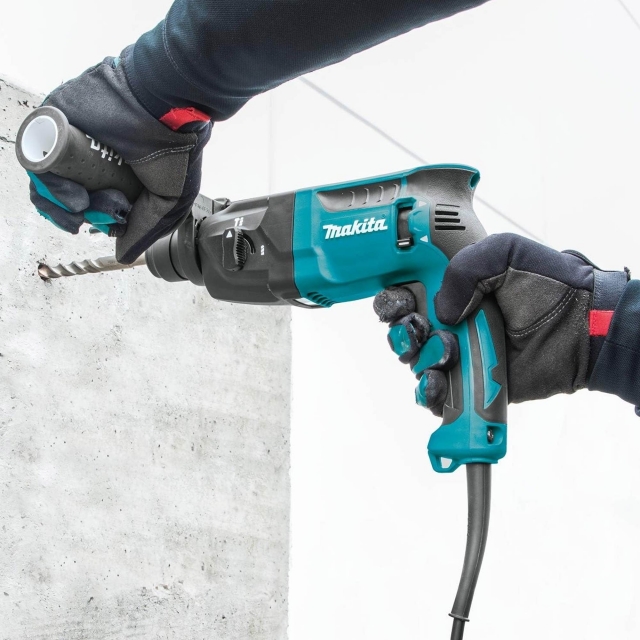
MAKITA HR1840 240v 470w SDS Plus Rotary Hammer Drill
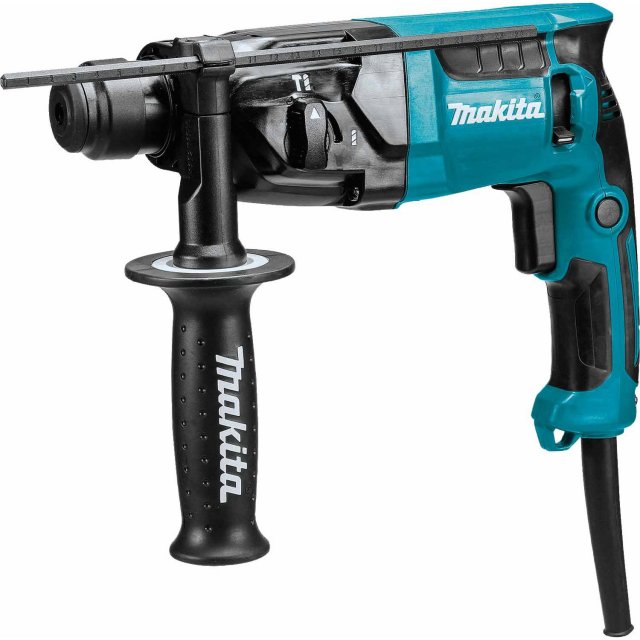
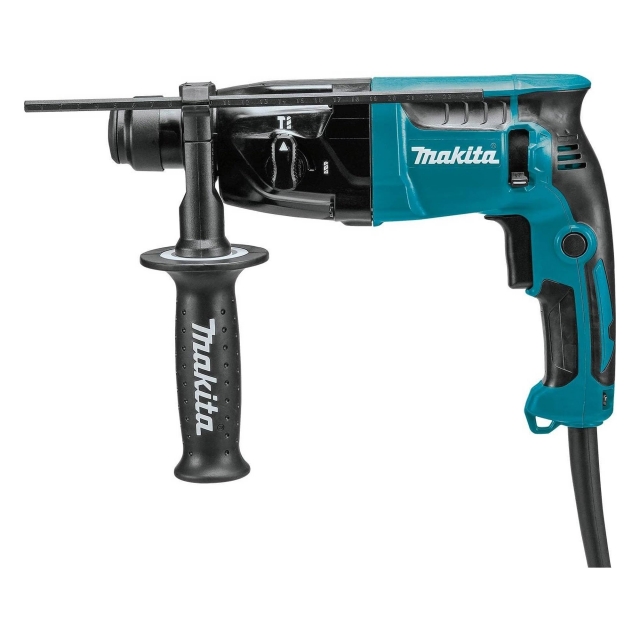
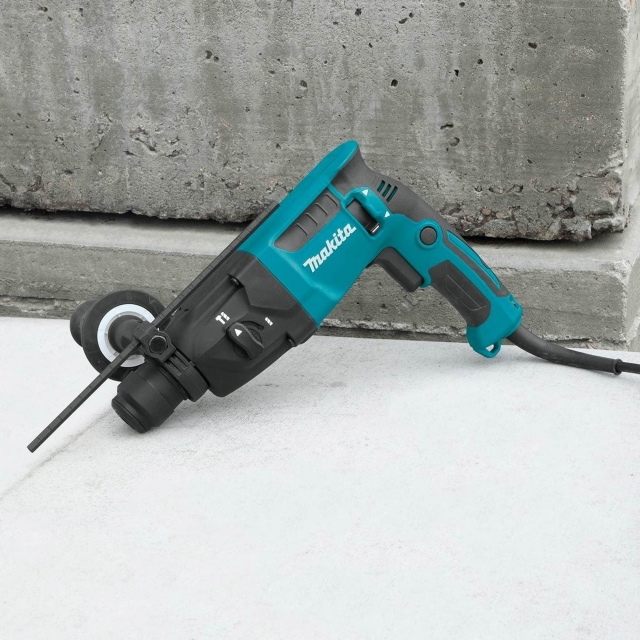
MAKITA HR1840 240v 470w SDS Plus Rotary Hammer Drill
 FREE DELIVERY AVAILABLE*
 Sorry, we are out of stock





Why Not Add

VAT (£2.43 ex VAT)

VAT (£3.57 ex VAT)
VAT (£2.50 ex VAT)

VAT (£14.22 ex VAT)
What’s Included
- Side Handle
- Depth Stop
- Carrying Case
- Voltage: 240v
Product Overview
The HR1840 Rotary Hammer, with variable speed control, has a powerful 470 watt motor to deliver up to 2,100 rpm, 4,800 bpm and 1.4 joules of impact energy for faster drilling. The Rotary Hammer has 2 mode operation, Rotary Only and Rotary with Hammer, with a no hammering when idling function to increase the life of the tool. The torque limiter automatically disengages the clutch to prevent gear damage if the bit hits against any reinforcements or jams for operator safety. Lock on function for continuous use, a one touch sliding chuck, adapted for SDS-Plus bits, for quick and easy bit installations and removal and depth gauge for drilling consistency.
Part No: HR1840/2(MAKPHR1840-2)
Features & Benefits
- Variable speed trigger control
- Forward / reverse rotation
- Torque limiter
- Double Insulation
- 2-mode operation: Rotary only and Rotary hammer
- One-touch sliding chuck for easy bit changes
- Lock-on function
Technical Specification
- Input Wattage: 470 w
- Impact Energy: 1.6 j
- Impacts per Minute: 0 - 4800 ipm
- Max. in Concrete: 18 mm
- Max. in Steel: 13mm
- Max. in Wood: 24mm
- Net Weight: 2 kg
- No Load Speed: 0 - 2100 rpm
- Noise Sound Pressure: 87 dB(A)
- Overall Length: 285mm
- Power Supply Cord: 2m
- Hammer Drilling Vibration: 10 m/s²
FAQs
SDS Plus Hammers are tools which pack a lot of punch. They’re designed for driving into masonry, which means that they need to rotate as quickly as possible. On top of that, because their primary role is as a hammer drill, the impact rate – measured in either impacts per minute (ipm) or blows per minute (bpm) is definitely an important characteristic to consider. You should also check the maximum drilling capacity, which determines how far the tool will go into the material you’re working with.
The main differences are in the kind of drill bits they use and the amount of power they can bring to a task. Slotted Drive System drills use bits with slots or indentations and a pair of sprung ball bearings at the end of the shaft, which ensure a snug fit into the chuck. The fact that SDS drills usually have faster rotations and provide more blows per minute sets them apart from a ‘traditional’ hammer drill and makes them particularly suitable for tougher drilling tasks, such as driving into concrete.
One significant difference between these kinds of tools is the size of the shank. SDS Plus bits typically have a 10mm shank, while SDS Max is 18mm. This means that an SDS Max tool can use SDS Plus drill bits with an adaptor, but SDS Max bits aren’t ‘backwards’ compatible. The other main difference is that an SDS Max drill has even more power than an SDS Plus tool and is designed for working on tougher jobs than you might use the SDS Plus machine for.
That depends entirely on the power available on site. The ToolStore UK range includes both 110v and 240v options.
Delivery & Returns
Warranty
Related Products

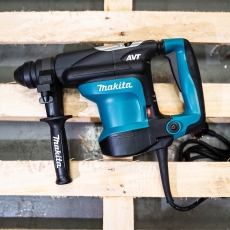
VAT (£473.93 ex VAT)
VAT (£69.15 ex VAT)
VAT (£192.67 ex VAT)

VAT (£114.76 ex VAT)

VAT (£145.76 ex VAT)

VAT (£62.18 ex VAT)
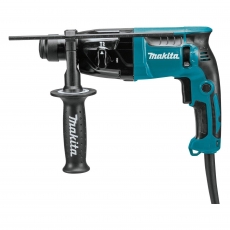
VAT (£50.00 ex VAT)


VAT (£154.96 ex VAT)



VAT (£101.20 ex VAT)
VAT (£88.13 ex VAT)
VAT (£114.14 ex VAT)