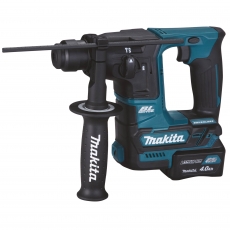
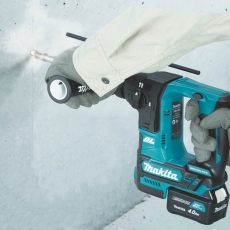
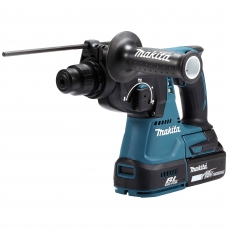
MAKITA HR166DSMJ 12v CXT Brushless SDS Plus Hammer with 2x4ah Batteries
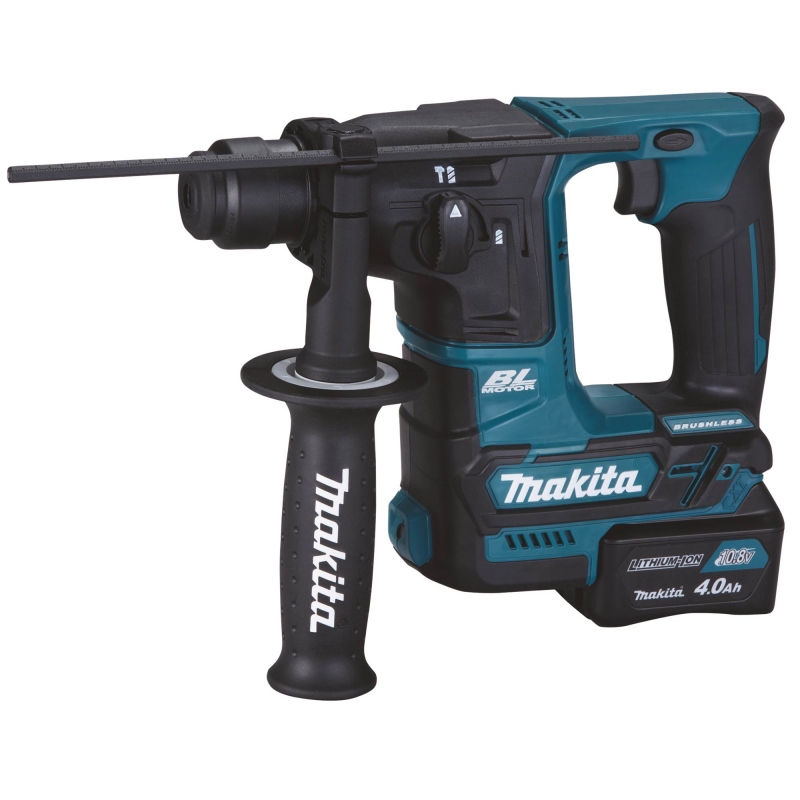
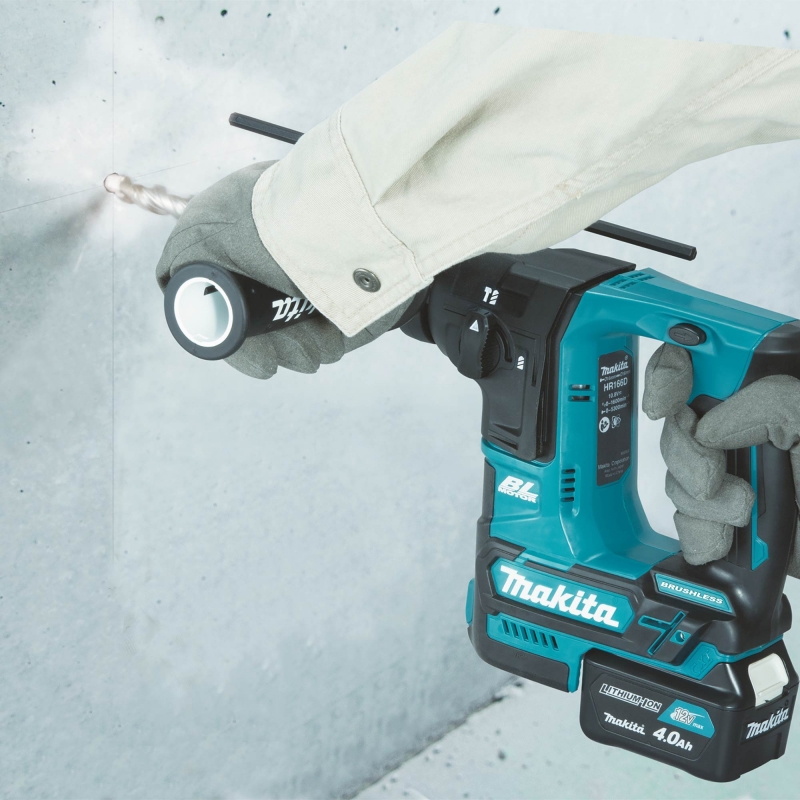
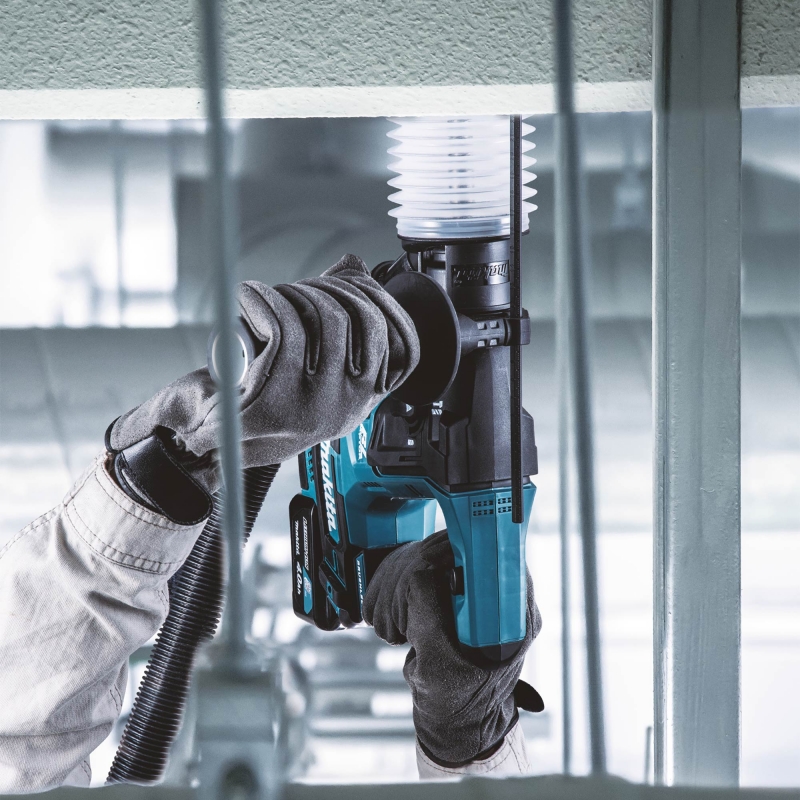
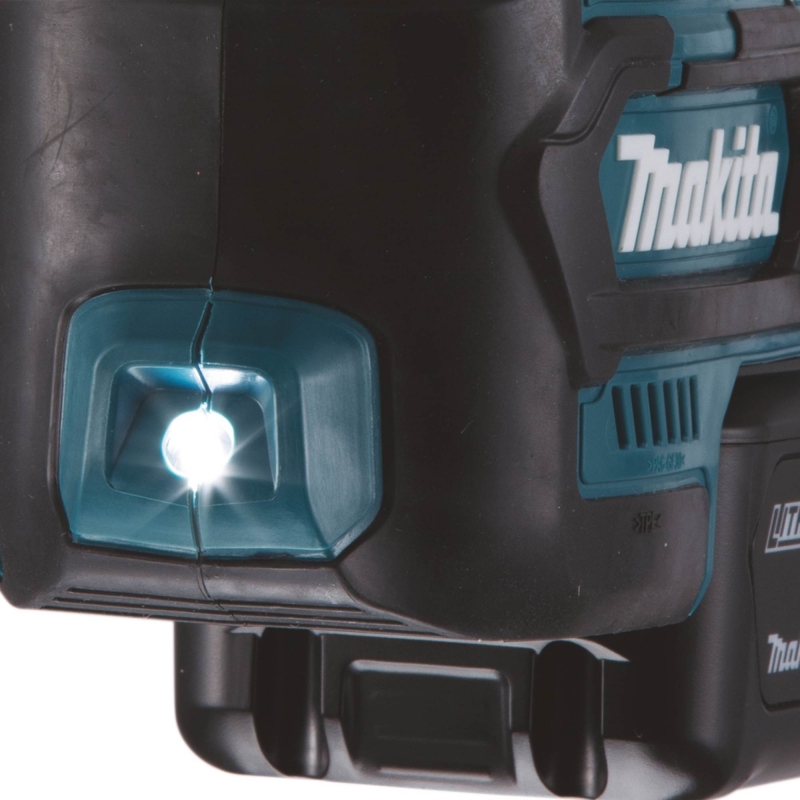
MAKITA HR166DSMJ 12v CXT Brushless SDS Plus Hammer with 2x4ah Batteries
 FREE DELIVERY AVAILABLE*
 Sorry, we are out of stock





Why Not Add

VAT (£3.57 ex VAT)
VAT (£0.79 ex VAT)
What’s Included
- 2x 12v 4.0Ah Batteries
- Charger
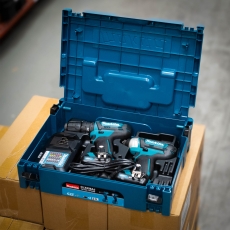
- Makpac Carry case
- Depth Gauge
- Number of Batteries Supplied: 2
- Voltage: 12v
- Type: Brushless
Product Overview
Part No: HR166DSMJ(MAKPHR166DSMJ)
Features & Benefits
- Brushless Motor: Delivers increased power, efficiency, and runtime compared to brushed motors.
- Compact and Lightweight: Weighing only 2.0 kg (with 4.0Ah battery), it offers excellent maneuverability and reduced fatigue during extended use.
- SDS-Plus Chuck: Enables quick and easy bit changes without the need for additional tools.
- Two-Mode Operation: Choose between rotary hammer mode for drilling into concrete or rotary-only mode for drilling into wood, metal, or plastic.
- Variable Speed Control: Provides precise control for a variety of applications.
- Forward/Reverse Rotation: Allows for easy removal of stuck bits and versatile operation.
- Ergonomic Design: Features a comfortable grip and vibration-dampening technology to minimize user fatigue.
- LED Work Light: Illuminates the work area for improved visibility.
Technical Specification
- Nominal Battery Voltage: 12v
- Battery Chemistry: Li-ion
- CXT Battery: Yes
- Brushless Motor: Yes
- Adapted for SDS-PLUS bits: Yes
- Electronic brake: Yes
- No load speed: 0 - 680 min
- Impacts per Minute (IPM): 0 - 4800 min
- Impact Energy: 1,1 J
- Max. Drilling Diameter in Wood: 13 mm
- Max. Drilling Diameter in Concrete: 16 mm
- Max. Drilling Diameter in Steel: 10 mm
- Optimum Drilling Diameter Range in Concrete: 5 - 8 mm
- Tool weight with battery: 1,8 - 2,4 kg
- Product Dimensions (L x W x H): 250 x 74 x 187 mm
- Product net weight: 1,6 kg
Reviews

FAQs
Cordless SDS Plus Hammers are tools which pack a lot of punch. They’re designed for driving into masonry, which means that they need to rotate as quickly as possible. On top of that, because their primary role is as a hammer drill, the impact rate – measured in either impacts per minute (ipm) or blows per minute (bpm) is definitely an important characteristic to consider. You should also check the maximum drilling capacity, which determines how far the tool will go into the material you’re working with.
The main differences are in the kind of drill bits they use and the amount of power they can bring to a task. Slotted Drive System drills use bits with slots or indentations and a pair of sprung ball bearings at the end of the shaft, which ensure a snug fit into the chuck. The fact that SDS drills usually have faster rotations and provide more blows per minute sets them apart from a ‘traditional’ hammer drill and makes them particularly suitable for tougher drilling tasks, such as driving into concrete.
One significant difference between these kinds of tools is the size of the shank. SDS Plus bits typically have a 10mm shank, while SDS Max is 18mm. This means that an SDS Max tool can use SDS Plus drill bits with an adaptor, but SDS Max bits aren’t ‘backwards’ compatible. The other main difference is that an SDS Max drill has even more power than an SDS Plus tool and is designed for working on tougher jobs than you might use the SDS Plus machine for.
Brushed motors use carbon brushes to transfer power from the fixed part of the motor to the rotor. This creates a reliable and relatively inexpensive motor, but brushed motors do require regular maintenance, in order to either clean the brushes or replace them as they wear out. A brushless motor, by contrast, uses a magnet mounted on the rotor to generate the power and electrical switching to perform the function carried out by the brushes. The additional complexity of the motor’s working means that brushless motors are usually more expensive than brushed.
However, eliminating the brushes also eliminates internal friction and maintenance, meaning that brushless motors offer both increased power and a longer working life. Brushless motors also generate less heat and noise and so, on balance, are considered superior to brushed motors.
That depends entirely on what your SDS Plus Hammer needs to do. One useful rule of thumb is to remember that the higher the voltage of the tool, the more it should be able to do. As an example, a 12v machine will usually have a drilling capacity in concrete of less than 15mm; the new 54v tools from DeWalt can drill to 30mm. We also have 18v, 36v and 40v options, from leading brands including Hikoki and Makita.
Delivery & Returns
Warranty
Related Products
VAT (£350.48 ex VAT)
VAT (£191.67 ex VAT)

VAT (£524.00 ex VAT)

VAT (£126.75 ex VAT)
VAT (£168.02 ex VAT)
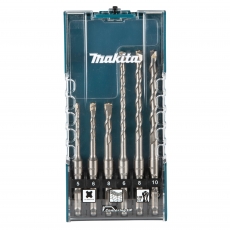
VAT (£13.21 ex VAT)
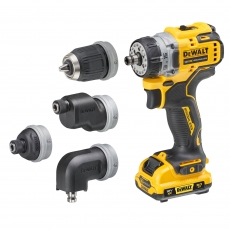

VAT (£178.74 ex VAT)
VAT (£103.01 ex VAT)

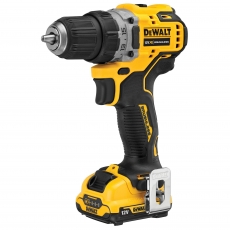
VAT (£119.50 ex VAT)
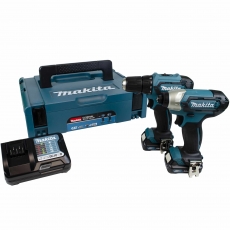

VAT (£118.80 ex VAT)
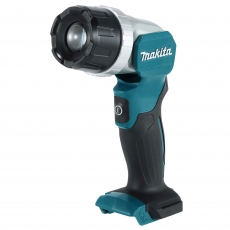

VAT (£50.83 ex VAT)
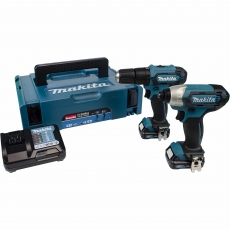
VAT (£118.96 ex VAT)
VAT (£181.07 ex VAT)
VAT (£3.57 ex VAT)
VAT (£200.20 ex VAT)
VAT (£117.44 ex VAT)
VAT (£352.21 ex VAT)