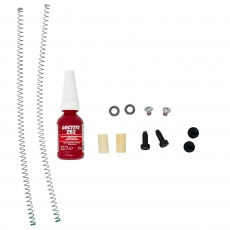
DEWALT DCN9202 Returns Spring Kit - For DCN692 DCN930 Models
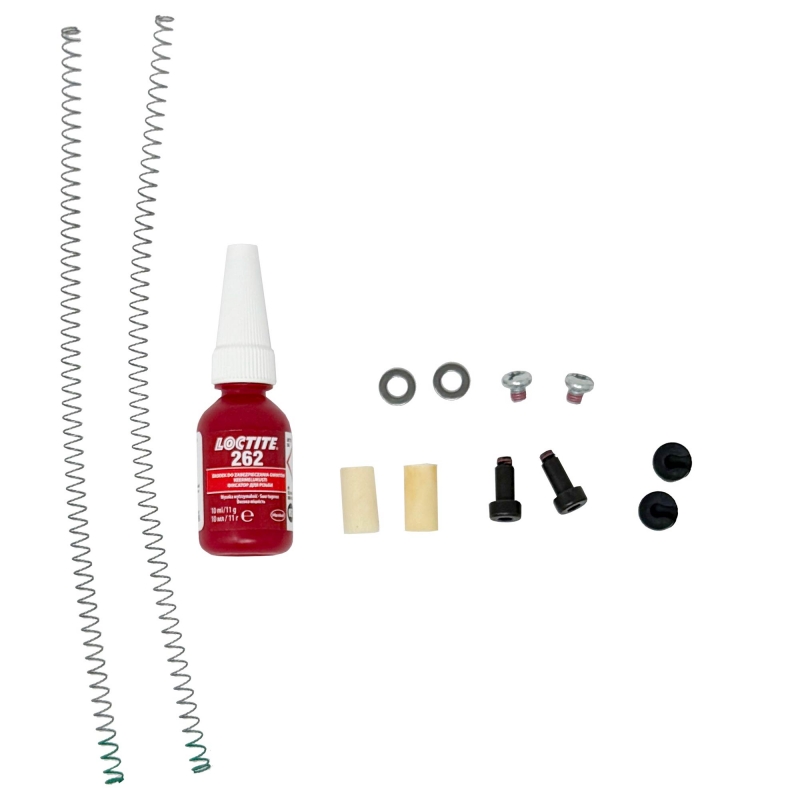
DEWALT DCN9202 Returns Spring Kit - For DCN692 DCN930 Models
 Hurry, low stock






Why Not Add

VAT (£40.22 ex VAT)
VAT (£2.50 ex VAT)
VAT (£16.31 ex VAT)
What’s Included
- 1x Pair of replacement return springs
- 1x Set of screws specifically for DCN930
- 1x Set of screws specifically for DCN692
- 1x Screw glue for secure fastening
Product Overview
The DEWALT DCN9202 Return Spring Kit is an essential maintenance component designed to restore the optimal performance of specific DEWALT cordless framing nailers. This product provides the necessary parts to address wear and tear on the internal return spring mechanism, ensuring the continuous, efficient operation of your equipment. It is a crucial item for extending the lifespan and maintaining the reliability of your DEWALT nailing devices, offering a straightforward solution for common mechanical issues.
Part No: DCN9202-XJ(DEWPDCN9202)
Features & Benefits
- Optimised Functionality: Specifically engineered to replace worn or damaged return springs, ensuring your nailer maintains its original firing and reset capabilities.
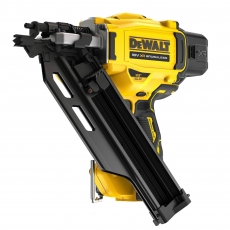
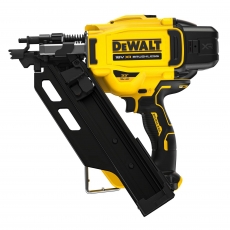
- Compatibility: Designed for use with a range of DEWALT cordless framing nailers, including the DCN692 and DCN930 models, offering a single solution for multiple devices.
- Enhanced Longevity: Constructed from durable materials to withstand the rigours of repeated use, contributing to the extended operational life of your nailer.
- Easy Installation: Simplifies on-site repairs and routine maintenance, allowing for quick and efficient replacement of components.
- Cost-Effective Solution: Provides a repair option that is more economical than replacing the entire tool, saving resources while maintaining equipment performance.
Technical Specification
- Product Model: DEWALT DCN9202-XJ
- Product Type: Return Spring Repair Kit
- Compatibility: DEWALT DCN692 and DCN930 Cordless Framing Nailers
- CE Mark: Yes (indicates conformity with European safety standards)
FAQs
Cordless Nail Guns and Staplers are incredibly useful but choosing the right model for you can be tricky. There are lots of options available, both in terms of the tools themselves and the fasteners they use.
The first thing to think about is the power source for your tool. Will it use a battery, in the same way as other power tools, be air-powered via a compressor or utilise gas fuel cells? Historically, battery powered tools have tended to struggle when driving longer length fasteners into hardwoods, but with Makita developing new 40v options, that is changing. Nailers which use Gas Fuel Cells are often capable of working with a larger nail range, but the cells have a specific shelf life and will require replacement.
Another thing to think about is the magazine capacity; the larger the capacity, the more nails you can fire between magazine changes.
The first thing to consider is what you need it to do. There are different kinds of Nailers – first fix machines use larger nails and are designed to add rigidity, to a project. Second fix, or ‘finishing’ Nailers use smaller, more discreet nails for work where a clean finish is required, such as door frames. These can vary in cost, performance and in the type of nail they use. One way to pick the right tool is to consider the work you’ll be doing and the nail size you most use, then pick a nail gun to suit the job, as different types of nailguns will use different nail lengths. For instance, a Brad Nailer, which is a type of finishing Nailgun, will typically use a nail of 15-40mm length, while a Framing Nailer will usually use a nail between 50 and 90mm long.
That depends what sort of projects you’ll be doing and where you need your nails to go. The terms ‘straight’ and ‘angled’ refer to the magazine; an angled tool will enable you to work in corners, or anywhere else you would be working at an angle. They’re great for working in tight spaces and can usually hold longer nails because of the size of their magazines. In addition, they tend to be lighter and easier to store than a straight nailer.
Straight nailers use thinner nails – they can’t go below 16 Gauge – and tend to be heavier more difficult to transport than angled nailers, but are frequently cheaper to buy.
Brushed motors use carbon brushes to transfer power from the fixed part of the motor to the rotor. This creates a reliable and relatively inexpensive motor, but brushed motors do require regular maintenance, in order to either clean the brushes or replace them as they wear out. A brushless motor, by contrast, uses a magnet mounted on the rotor to generate the power and electrical switching to perform the function carried out by the brushes. The additional complexity of the motor’s working means that brushless motors are usually more expensive than brushed.
The voltage of your machine will be partially determined by how it drives nails. For instance, a Paslode Framing Nailer which uses a gas fuel cell to fire each nail might have a battery with only 7.4v, while a Makita XGT Brad Nailer, which is designed to used on jobsites and relies on its battery entirely, is a 40v tool. Consider the work you’ll be doing with your Nailgun or Stapler and how that fits in with the other items in your tool set; this will help you to select the tool which best meets your needs.
Delivery & Returns
Warranty
Related Products
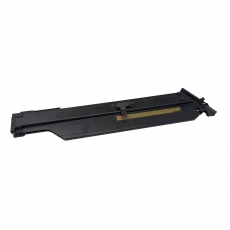
VAT (£73.60 ex VAT)
VAT (£445.01 ex VAT)
VAT (£335.91 ex VAT)
VAT (£357.51 ex VAT)
VAT (£268.22 ex VAT)


VAT (£57.58 ex VAT)