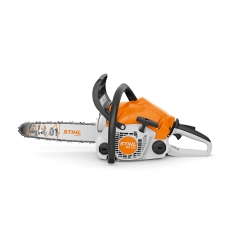
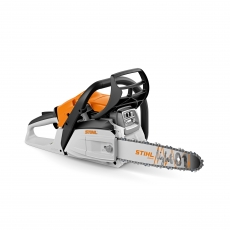
STIHL MS172 14" Pertol Chainsaw
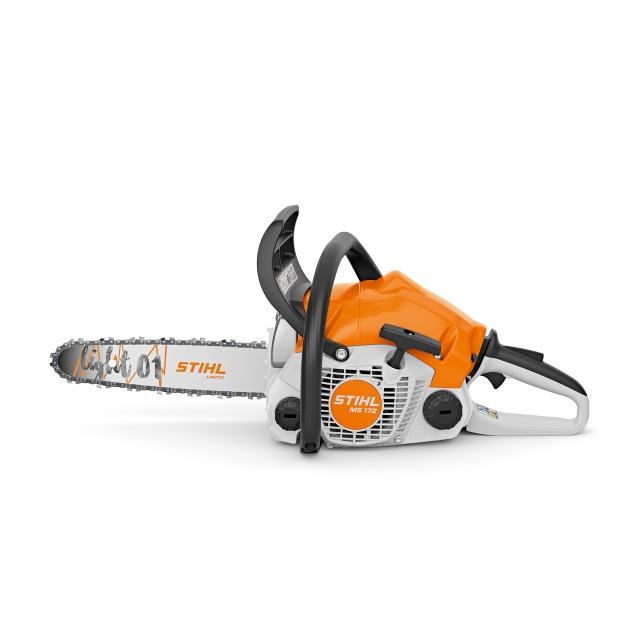
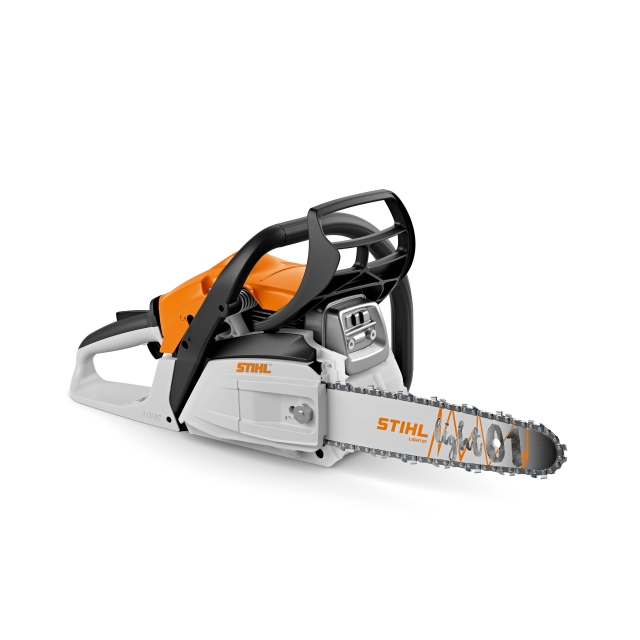
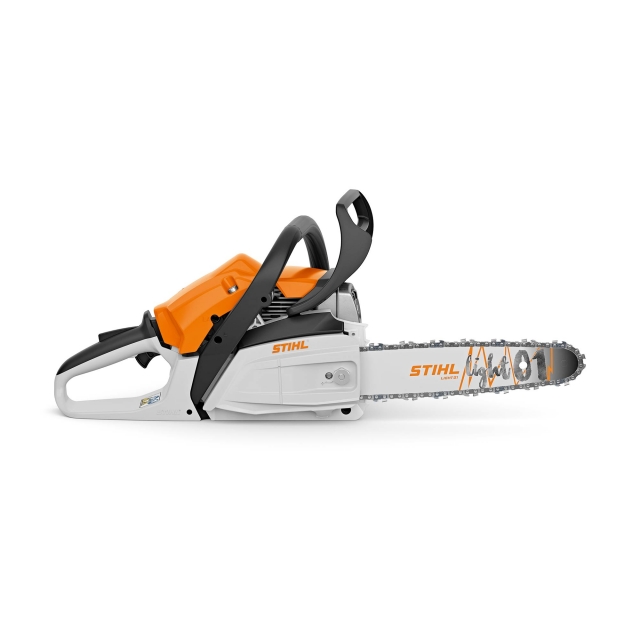
STIHL MS172 14" Pertol Chainsaw
 FREE DELIVERY AVAILABLE*
 In stock





What’s Included
- Stihl MS 172 Petrol Chainsaw Power Unit
- 14-inch (35cm) Guide Bar
- 3/8" P Picco Micro 3 (PM3) Saw Chain
- Plastic Scabbard (Chain Guard)
- Combination Spanner (Tool for tensioning and spark plug access)
- Instruction Manual
- Voltage: Petrol
Product Overview
Whether you are looking to manage overgrown branches or prepare a stack of firewood for the winter months, the Stihl MS 172 offers a reliable and entry-level solution for domestic garden maintenance. This petrol-powered saw is built with a 31.8cc 2-MIX engine, which balances efficient power delivery with a reduction in fuel consumption and emissions. Its 14-inch guide bar provides a versatile reach for common garden tasks, while the lightweight 4.5kg power unit ensures that the tool remains easy to handle during extended use. Designed with user comfort in mind, it features a modern anti-vibration system and a single-lever master control, making it a practical choice for those who value straightforward operation and consistent performance in their outdoor workspace.
Part No: 11482000022(STIP11482000022)
Features & Benefits
- Stihl 2-MIX Engine: Delivers strong cutting performance while significantly reducing fuel consumption and exhaust emissions.
- Anti-Vibration System: Strategically placed buffers and springs dampen engine oscillations, protecting your hands and arms from fatigue.
- Side-Mounted Chain Tensioning: Allows you to adjust the saw chain safely and easily through the sprocket cover, keeping your hands away from the sharp cutters.
- Combi-Lever Operation: A single lever controls the start, choke, and stop functions; the lever automatically returns to the start position for easier warm restarts.
- Transparent Fuel and Oil Tanks: Enables quick visual checks of fluid levels so you can top up before the tanks run dry.
- Compensator System: A controller in the carburettor prevents the fuel-air mixture from getting too rich as the air filter becomes clogged, maintaining engine power.
- Advanced Combustion Technology: Four overflow channels swirl the fuel-air mix before ignition to ensure optimum combustion and high torque.
Technical Specification
- Displacement: 31.8 cm³
- Power Output: 1.4 kW / 1.9 hp
- Bar Length: 35 cm / 14 inches
- Weight (Excluding fuel, bar and chain): 4.5 kg
- System Weight (With bar and chain): Approximately 5.05 kg
- Saw Chain Pitch: 3/8" P
- Chain Type: Stihl Picco Micro 3 (PM3)
- Sound Pressure Level: 101 dB(A)
- Sound Power Level: 114 dB(A)
- Vibration Level (Left/Right): 3.5 / 3.2 m/s²
- CO2 Emissions: 849 g/kWh
FAQs
Chainsaws are incredibly useful tools, used in tree care professionals and home gardeners alike. But there are all kinds of things to think about, including whether you want a petrol-powered machine, a corded electric saw or a battery-powered unit.
You might also want to consider the size of the bar around which the chain rotates, the speed of that rotation and vibration rates, particularly if you’re going to be working with your Chainsaw for an extended period of time.
The power source which best meets your needs will depend on how and where you plan to use your machine. For many professionals, a Petrol-powered saw is the preferred choice. Petrol machines tend to be the most powerful examples on the market and are totally portable, so are often the choice of landscaping professionals. However, their power comes at a price; they are noisy, require more maintenance than their electric equivalents and aren’t particularly eco-friendly.
An increasing number of electric Chansaws can offer performance that is comparable to petrol machines. However, with a corded saw, you are constrained by the power cable so need to be mindful of the size of the job and the location of plug sockets. They’re a great option if you have a small to medium-sized garden and a limited amount of foliage to tackle.
A cordless electric Chainsaw can therefore offer the best of both worlds, combining the convenience of battery power with the portability of a petrol machine. The newest battery-powered machines match many petrol machines for performance and power.
Brushed motors use carbon brushes to transfer power from the fixed part of the motor to the rotor. This creates a reliable and relatively inexpensive motor, but brushed motors d require regular maintenance, in order to either clean the brushes or replace them as they wear out. A brushless motor, by contrast, uses a magnet mounted on the rotor to generate the power and electrical switching to perform the function carried out by the brushes. The additional complexity of the motor’s working means that brushless motors are usually more expensive than brushed.
However, eliminating the brushes also eliminates internal friction and maintenance, meaning that brushless motors offer both increased power and a longer working life. Brushless motors also generate less heat and noise and so, on balance, are considered superior to brushed motors.